Trauma Therapy for First Responders & Families
Specialized Programs for Police, Firefighters, Paramedics & Military
We offer support for:
Individual Therapy
Intensives Therapy
Family Support
Serving Those Who Serve
Police officers, firefighters, paramedics, and military members carry the weight of what most people never see. But trauma doesn’t stop at the uniform. It impacts home life, marriages, and children too. Spouses and family members often feel the effects of secondary trauma, emotional distance, or the strain of supporting a loved one in crisis.
At the EMDR & Trauma Therapy Centre, we specialize in helping first responders and their families heal from trauma through both individual therapy and intensive programs designed to bring relief, stability, and connection.
Why First Responders and Families Need a Specialized Approach
The demands of first responder life create unique pressures:
-
Cumulative trauma from repeated exposure to crisis and danger.
-
Occupational stress injuries (OSI): PTSD, hypervigilance, nightmares, emotional numbing.
-
Moral injury, when decisions or events conflict with deeply held values.
-
Impact on spouses and children: disconnection, unpredictable moods, or the sense of “walking on eggshells.”
These are not personal failures. they are the body and brain’s natural response to overwhelming stress. Healing is possible when the whole system (individual and family) is supported.
When first responders face trauma, their families feel it too. The job doesn’t end when the sirens stop, its impact follows them home. That’s why trauma support isn’t optional. It’s essential. For the responders. For their families. For their future.

Individual Therapy
Our individual therapy program offers weekly or bi-weekly sessions designed to gently restore balance, process trauma, and rebuild resilience. We use leading, neuroscience-based modalities, including:
-
Neurofeedback to stabilize the nervous system.
-
EMDR therapy to reprocess painful memories.
-
Deep Brain Reorienting (DBR) to resolve shock trauma at its root.
-
Attachment & Ego State therapies to rebuild trust and self-connection.
👉 For family members: Individual therapy helps spouses and children process secondary trauma, improve communication, and strengthen the home environment.
Intensive Trauma Therapy: Trauma Reset Intensives
For many first responders, weekly therapy feels too slow, especially when struggling with Operational Stress Injury (OSI) or burnout. Our intensive programs provide a focused, condensed approach:
-
Multi-day sessions combining neurofeedback, EMDR, DBR, and the Safe & Sound Protocol.
-
Faster progress, with breakthroughs that might take months in traditional therapy.
-
Customized integration work to support both immediate stabilization and long-term growth.
-
Confidential, efficient care that minimizes disruption to work and family schedules.
Spouses or partners are also welcome to participate in components of intensives when relational healing is part of the goal.
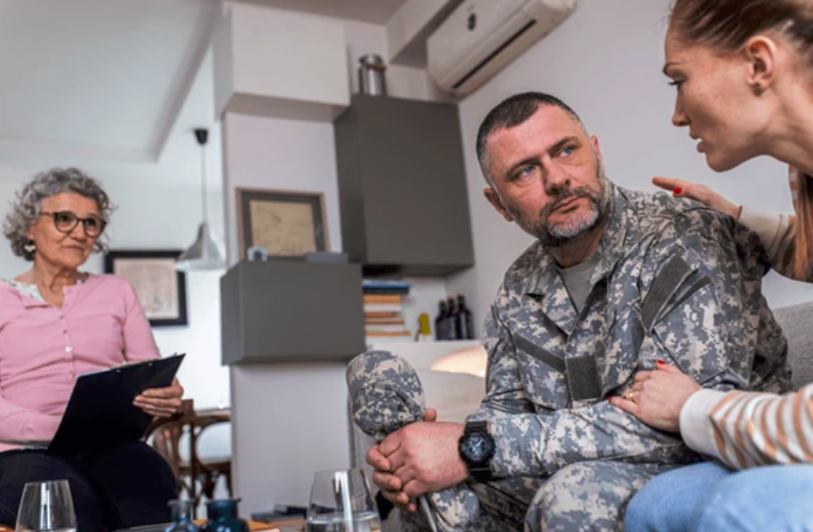

Support for Families of First Responders
The stress of first responder life ripples outward. That’s why we also provide:
-
Therapy for spouses and partners: navigating communication challenges, grief, or relational strain.
-
Parenting support: helping children understand and cope with a parent’s trauma.
-
Family intensives: focused programs to restore connection and resilience at home.
EMDR & Trauma Therapy In Toronto
For Departments & Organizations
We partner with police, fire, EMS, and military leadership to provide:
-
Critical incident debriefings (AnchorPoint Response) after traumatic events.
-
Tailored intensive programs for members in crisis.
-
Workshops and psychoeducation to strengthen team resilience and reduce burnout.
Begin Your Path to Recovery
Whether you’re a first responder, a spouse, or a family member, healing is possible. You don’t have to carry this alone.





Frequently Asked Questions About
EMDR & Trauma Therapy
The effects of trauma can show up in a variety of ways. Persistent symptoms such as anxiety, depression/low mood, intrusive thoughts, feelings of shame, low self confidence, mood swings,
and sleep disturbances
can be signs that unresolved trauma is affecting your life.
If you notice that these unwelcome symptoms are negatively impacting your daily life, it may be a sign that trauma therapy could be beneficial.
EMDR stands for Eye Movement Desensitization and Reprocessing. The therapy uses structured eye movements to help minimize or eliminate the physiological effects of past trauma and works by allowing the brain to reprocess traumatic memories, reducing their emotional intensity and fostering a sense of resolution.
By targeting the neurological underpinnings of traumatic memories and incorporating a structured, client-centered approach, EMDR therapy can effectively promote healing and recovery from trauma. Many individuals who undergo EMDR therapy report lasting improvements in their symptoms and overall well-being, demonstrating the transformative potential of this evidence-based treatment.
The process of EMDR therapy follows 8 phases:
- History taking
- Preparation
- Assessment
- Desensitization
- Installation
- Body scan
- Closure
- Re-evaluation
During each phase of the treatment, we assess how you are doing emotionally, and proceed only as you feel safe and ready. EMDR therapy takes time, but has proven to be effective in minimizing distressing emotions so you can heal.
As each person’s healing journey is so different, there is no set number of sessions we set aside for EMDR therapy. We move through each of the 8 steps as quickly or slowly as you feel comfortable.
Your unique circumstances, emotional wellbeing, and the complexity and severity of the trauma you have experienced are all factors that play into the length of time you will need extra support to heal.
Patience, perseverance, and a commitment to your healing journey will be essential factors in achieving lasting improvements in your well-being. We will work to monitor your progress and support you every step of the way.
Bilateral stimulation, such as eye movements, taps, or tones, is a core component of EMDR therapy that facilitates communication between the brain’s two hemispheres. It is believed that this stimulation helps to integrate and process traumatic memories more effectively, allowing the individual to reprocess and reframe their experiences, leading to reduced distress and increased adaptive functioning.
EMDR therapy can be integrated with other therapeutic methods, such as cognitive-behavioural therapy (CBT) or dialectical behavioural therapy (DBT). Combining these approaches can provide a comprehensive treatment plan that addresses different aspects of trauma recovery, from symptom reduction to building resilience and coping skills.
EMDR therapy has shown effectiveness in treating complex trauma and dissociative disorders, but it’s crucial to work with a therapist who has specialized training and experience in these areas. A modified approach to EMDR may be needed, with a focus on stabilization, grounding techniques, and careful pacing to ensure client safety and efficacy.
How To Get Started
Get started with the EMDR & Trauma Therapy Centre in Toronto. Serving the Greater Toronto Area. Online sessions are available across Ontario, Nova Scotia, and British Columbia.
Book A Free Consultation
Get your questions answered and be placed with the right therapist. Book a free 15-minute consult.
Book AN Appointment
If you’re ready to get started, book an appointment using our only portal.